


Royal Palace of Cambodia
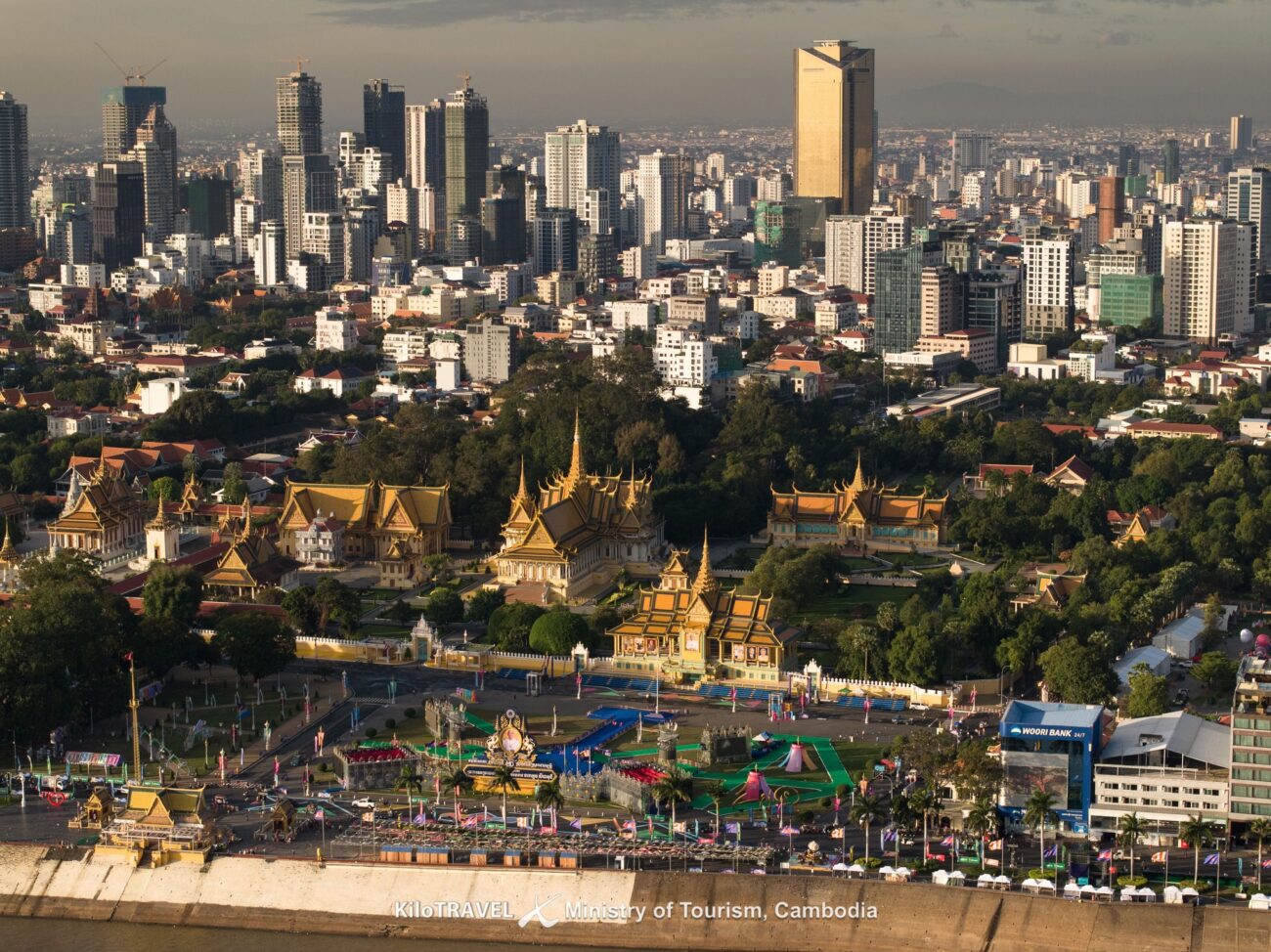
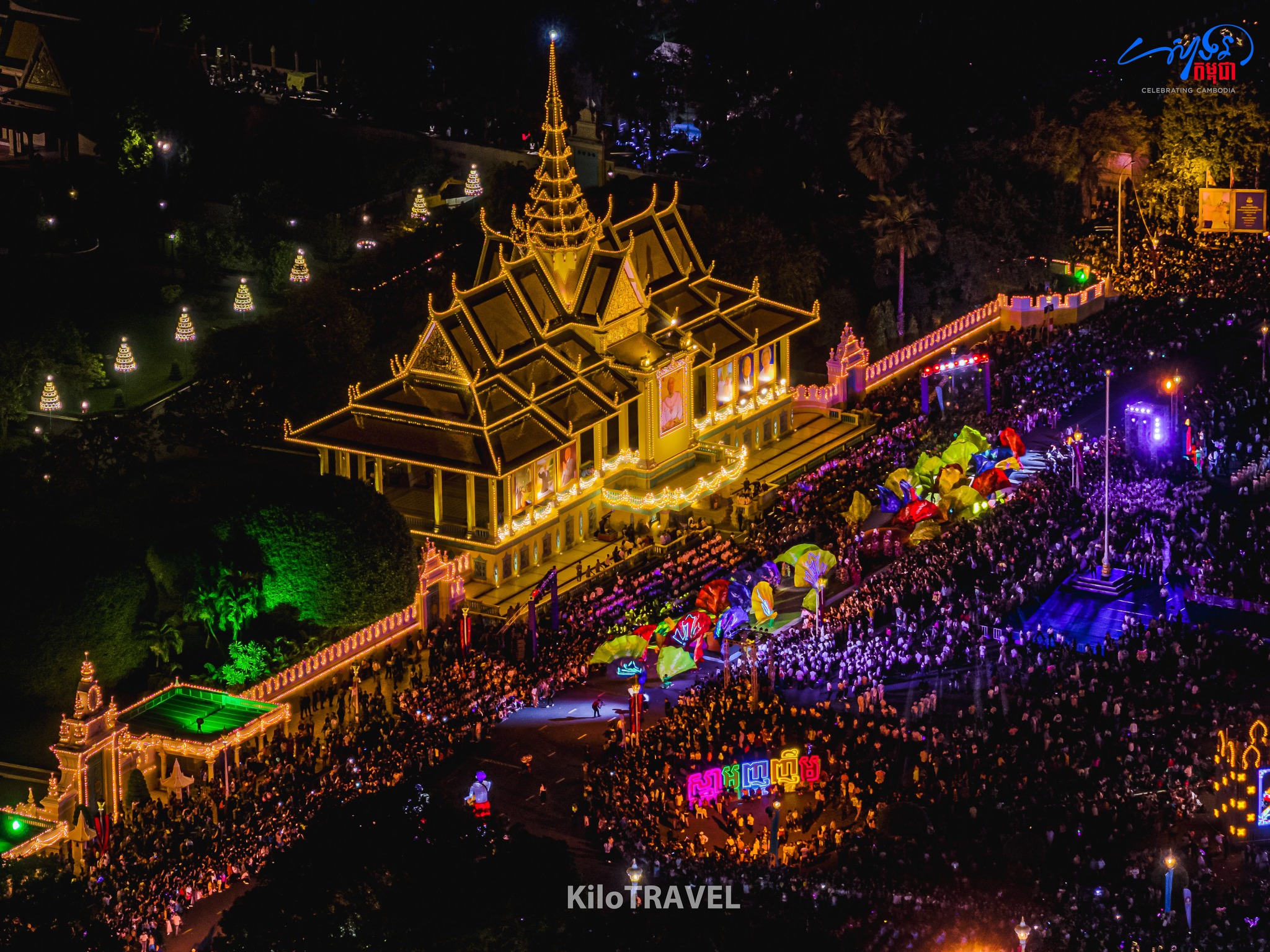
- Location: Sothearos Boulevard
- Entrance Fee: $10
Home to Cambodia’s King, the palace complex dazzles with golden Khmer architecture. Within its grounds lies the Silver Pagoda, famed for its silver-tiled floor and sacred treasures.

National Museum of Cambodia
- Location: Preah Ang Eng St.
- Entrance Fee: $10
The world’s largest collection of Khmer art lives here. Housed in a striking terracotta structure built in 1920, the museum displays sculptures from the Angkor period and beyond. Its peaceful inner courtyard offers a quiet break from the city’s rhythm.
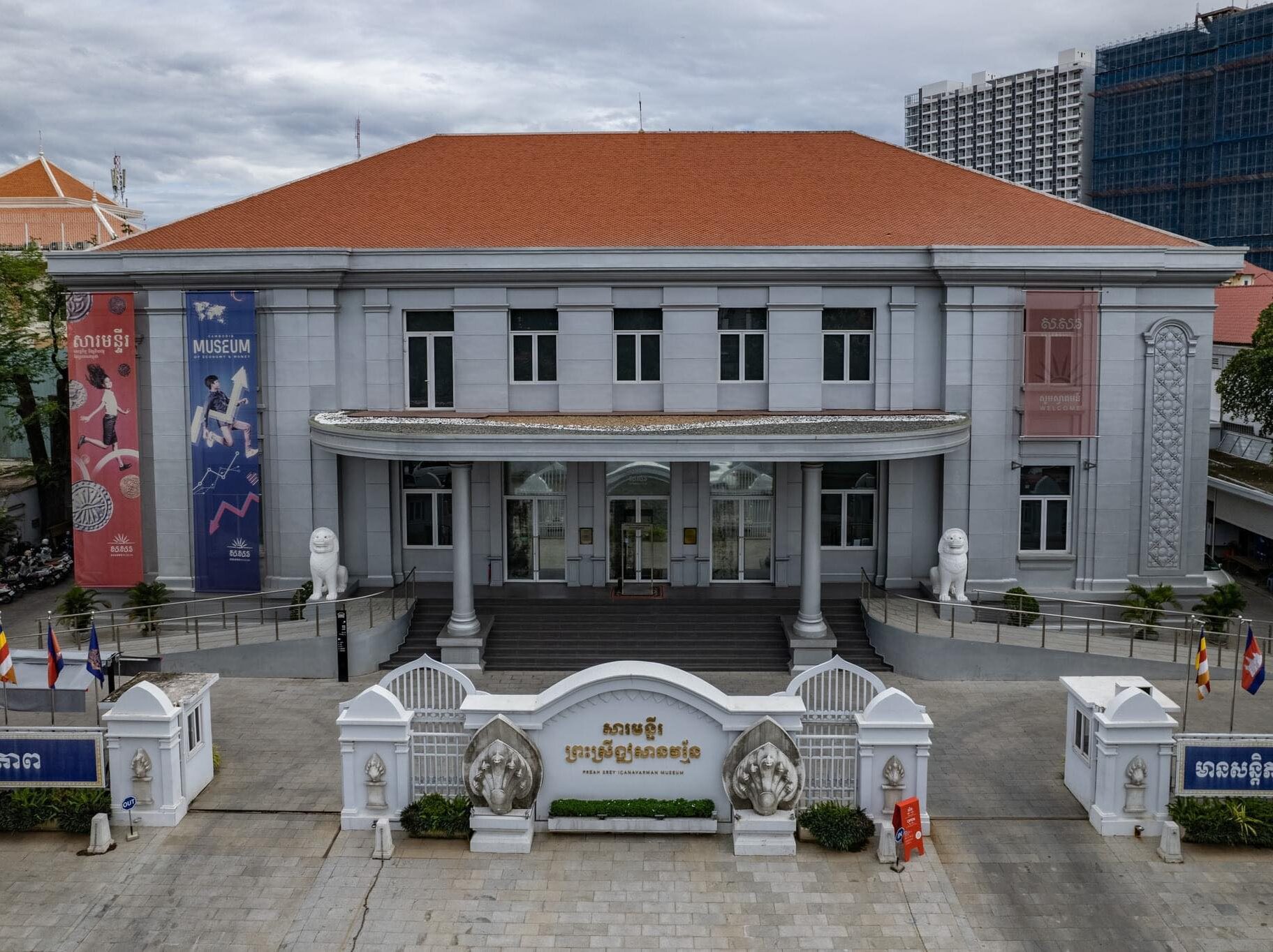
SOSORO - Preah Srey Içanavarman Museum
- Location: Preah Moha Ksatreiyani Kossamak Ave
- Entrance Fee: $5
Sosoro has been designed to provide a unique perspective on Cambodia’s history and to offer a sharper grasp on the constant interaction between money, economics and politics through history.

Independence Monument
- Location: Norodom Boulevard
- Entrance Fee: Free
The Independence Monument in Phnom Penh, Cambodia, is a prominent national landmark built in 1958 to commemorate the country’s independence from France in 1953. Designed by architect Vann Molyvann, it serves as both a symbol of freedom and a site for official ceremonies and public gatherings.

Central Market (Phsar Thom Thmey)
- Location: Intersection of Streets 126 & 136
- Entrance Fee: Free
Built in 1937 during the French colonial era, this iconic art deco market is the city’s commercial heart. You’ll find jewelry, electronics, souvenirs, fresh produce, and street food beneath its grand yellow dome.
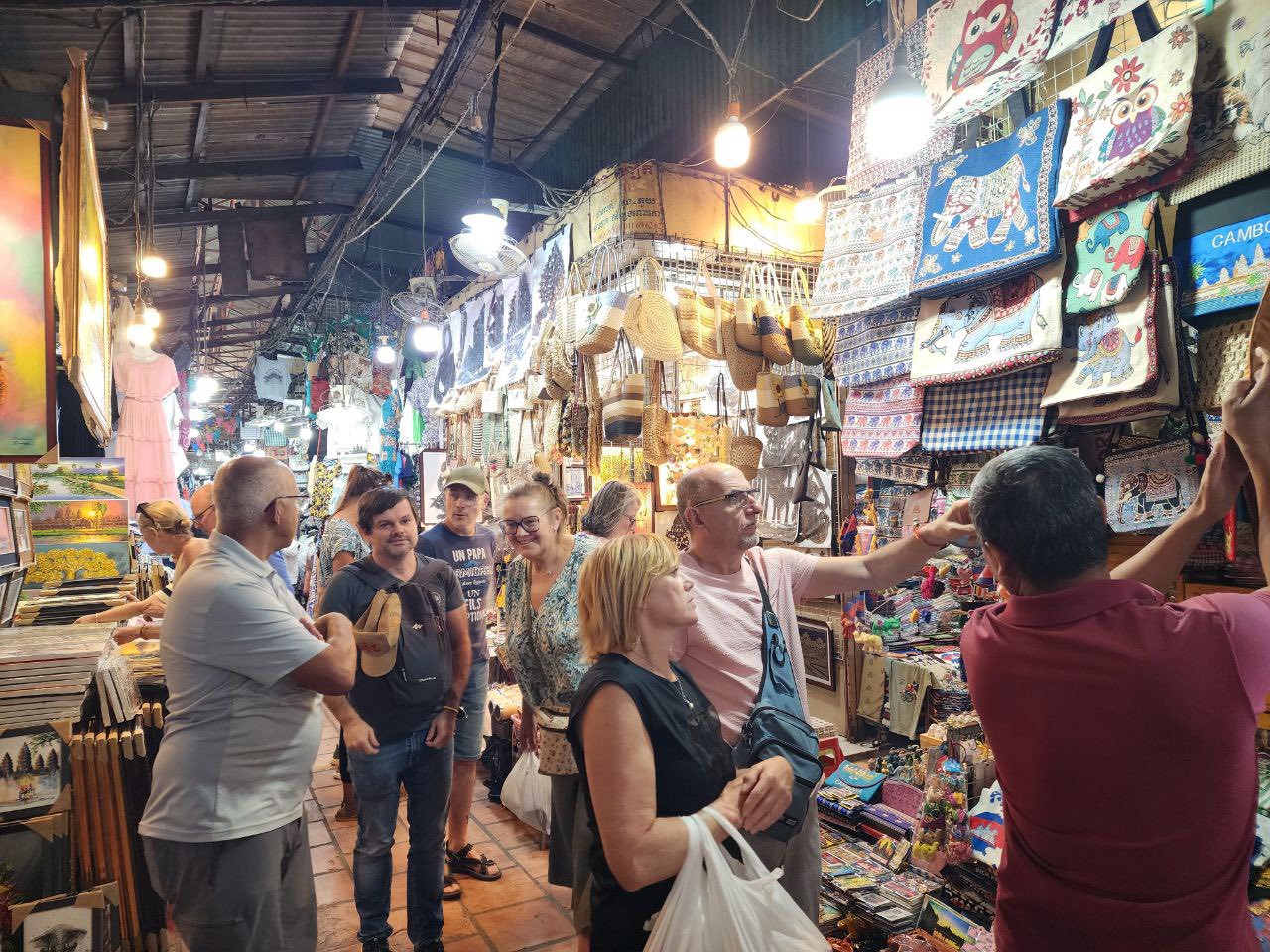
Russian Market (Phsar Tuol Tumpoung)
- Location: Street 155, Chamkar Mon
- Entrance Fee: Free
A favorite among expats and travelers, this market is perfect for handicrafts, textiles, artwork, and authentic Khmer street snacks. It feels intimate, lively, and local.

Wat Phnom
- Location: Street 96, Daun Penh District
- Entrance Fee: $1
Wat Phnom Duan Penh is considered the birthplace of the city. Legend says Lady Penh discovered sacred Buddha statues here in the 14th century. The small hilltop temple remains a spiritual heart of Phnom Penh.

Wat Unnalom
- Location: West of Royal Palace
- Entrance Fee: Free
Wat Unnalom is one of the most important Buddhist monasteries in Cambodia and serves as the headquarters of Cambodian Buddhism. Founded in the 15th century, the temple complex houses a sacred eyebrow hair relic of the Buddha.

Wat Botum
- Location: Southeast of Royal Palace
- Entrance Fee: Free
One of the city’s oldest pagodas, known for peaceful grounds and beautiful murals. A quiet escape near the political center of Cambodia.

Chaktomuk Walk Street
- Location: Sisowath Quay, near the Royal Palace
- Entrance Fee: Free
Every weekend evening, part of the riverside road transforms into a lively pedestrian street. Families, young locals, and travelers gather to walk, eat street snacks, and enjoy performance shows and the Mekong breeze. It’s one of the best places to experience Phnom Penh’s relaxed nightlife and community atmosphere.

Phnom Penh Sunset Boat Cruise
- Location: Sisowath Riverside Pier
- Entrance Fee: $5–$15
One of the most relaxing ways to see the city is from the water. Sunset cruises sail along the Mekong and Tonlé Sap rivers, offering views of Phnom Penh’s skyline, floating villages, and the golden glow of temples as the sun sets behind the city.

Big Bus Angkor – Phnom Penh City Tour
- Location:AEON Mall Phnom Penh Gate 8B (Ground Level)
- Entrance Fee: $9-$15
Big Bus Angkor offers guided city tours that take visitors to Phnom Penh’s major landmarks, including the Royal Palace, museums, temples, and historical sites. It’s a convenient option for travelers who want an overview of the capital with local commentary and organized stops.
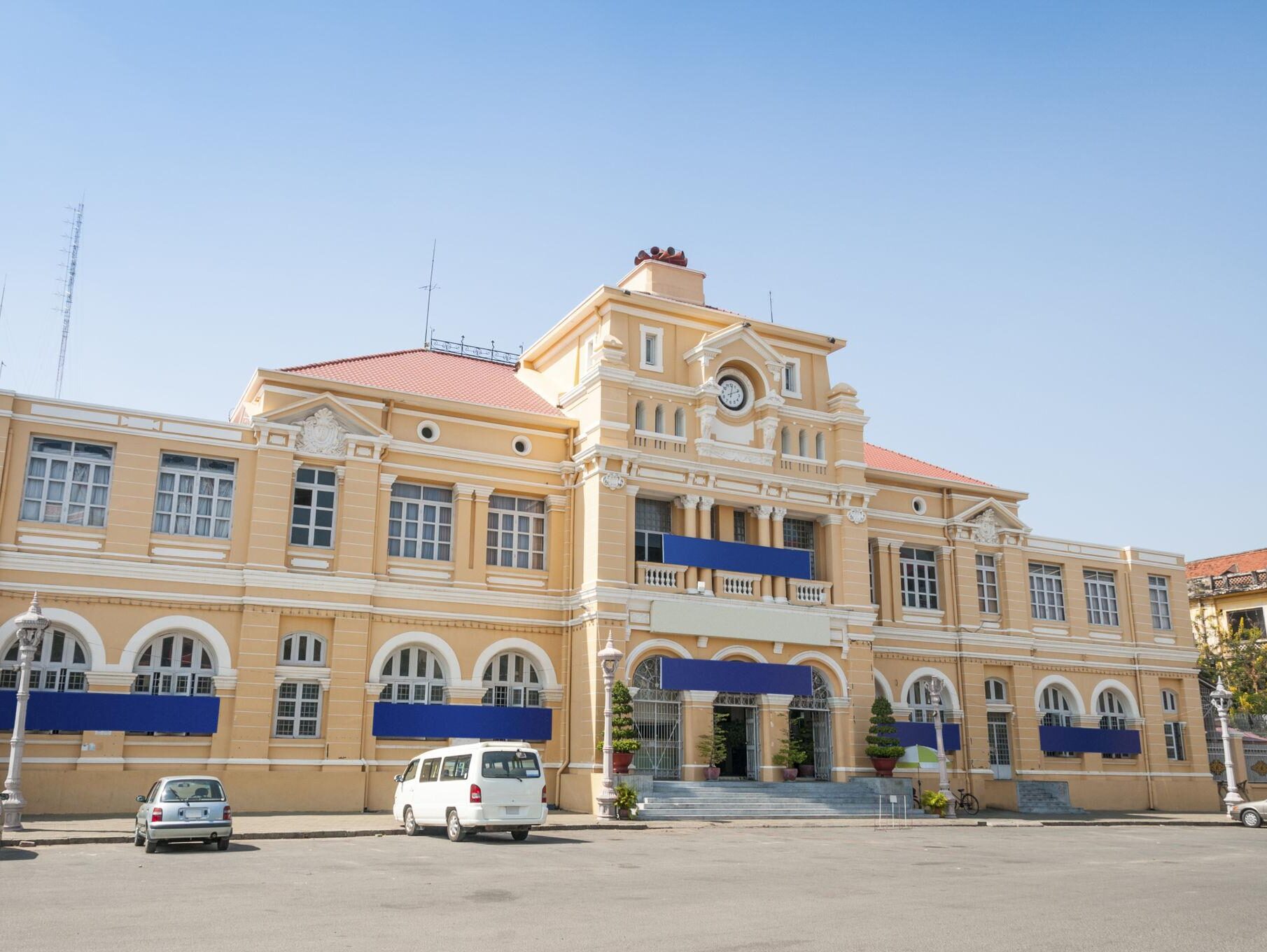
Phnom Penh Post Office
- Location: Street 13, Daun Penh District
- Entrance Fee: Free
The Phnom Penh Post Office is a landmark French colonial-era building located in the center of Cambodia’s capital. Built in the early 1890s, it remains one of the city’s best-preserved examples of colonial architecture and continues to function as a working postal facility and civic landmark.
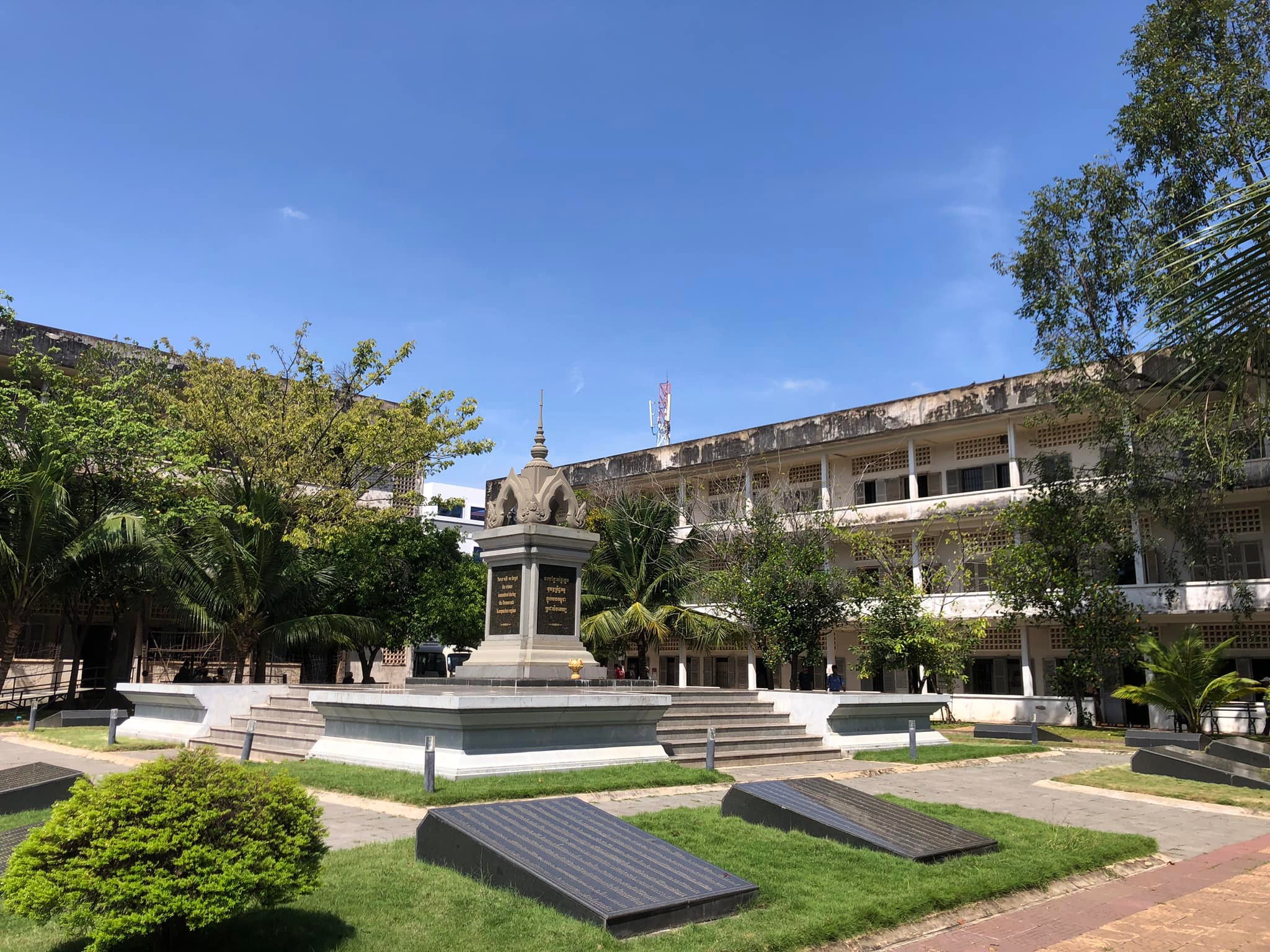
Tuol Sleng Genocide Museum (S-21)
- Location: Street 113, Boeung Keng Kang
- Entrance Fee: $5
The Tuol Sleng Genocide Museum is a memorial and museum in Phnom Penh, Cambodia, housed in the former S-21 prison of the Khmer Rouge regime. It preserves the history of the atrocities committed between 1975 and 1979 and serves as a major site of remembrance and education about the Cambodian genocide.
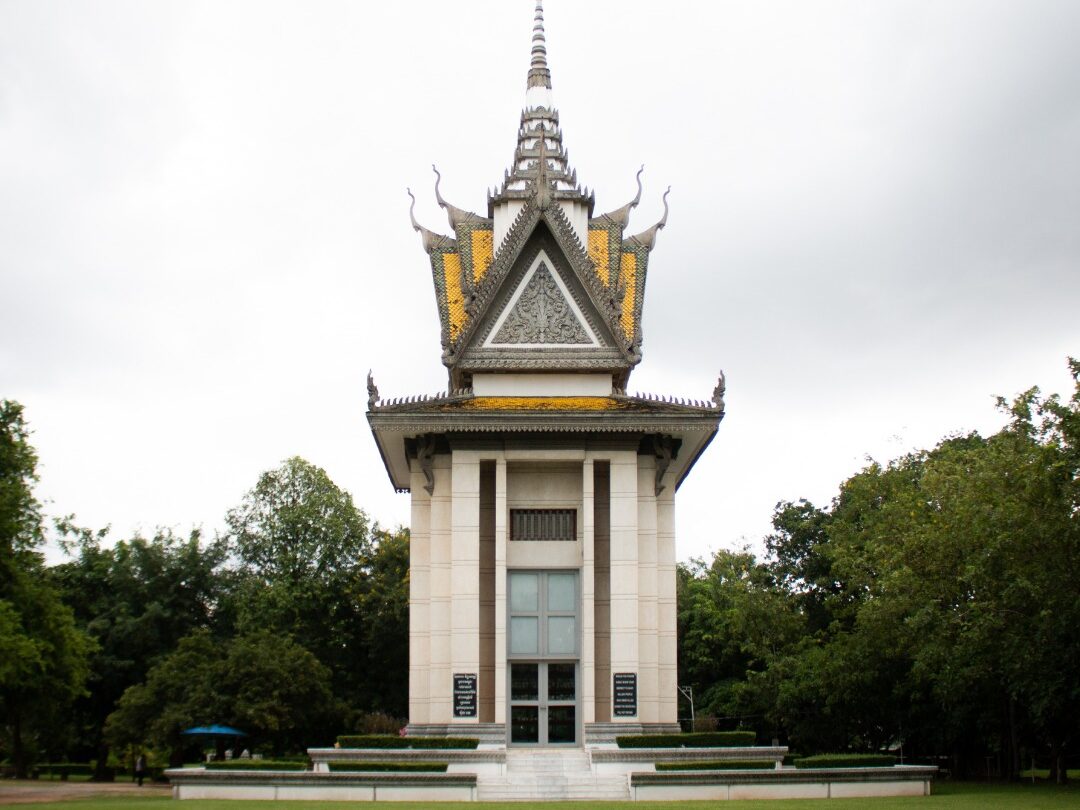
Choeung Ek Genocidal Center
- Location: Roluos Village, Dangkor District
- Entrance Fee: $6
The Choeung Ek Genocidal Center, commonly known as the Killing Fields, is a memorial and historical site located about 15 kilometers southwest of Phnom Penh, Cambodia. It commemorates the victims of the Khmer Rouge regime (1975–1979) and stands as one of the most significant genocide remembrance sites in the world.