Giant Puppets Roam the Streets of Siem Reap: A Magical Night Parade of Creativity and Nature
Every February, the streets of Siem Reap transform into a vibrant open-air stage where towering puppets, rhythmic music, and hundreds of excited children fill the night with color and imagination. Known as the Giant Puppet Parade, this joyful celebration has become one of the most anticipated cultural events in the city, attracting both locals and travelers eager to witness the magical procession.
In 2026, the parade took place on February 21, bringing an extraordinary theme to life: “Wildlife of Cambodia – The Wild Parade.”
A Parade Inspired by Cambodia’s Wildlife
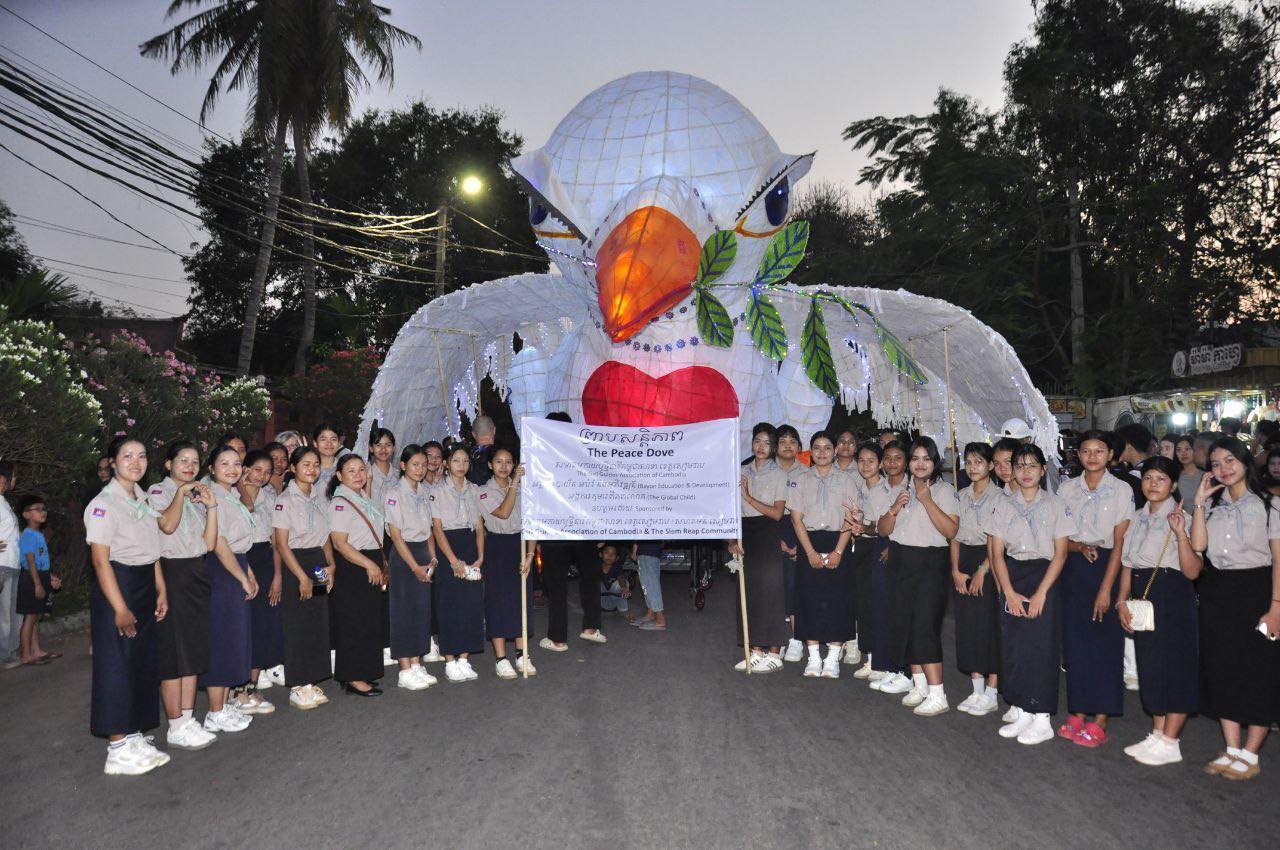
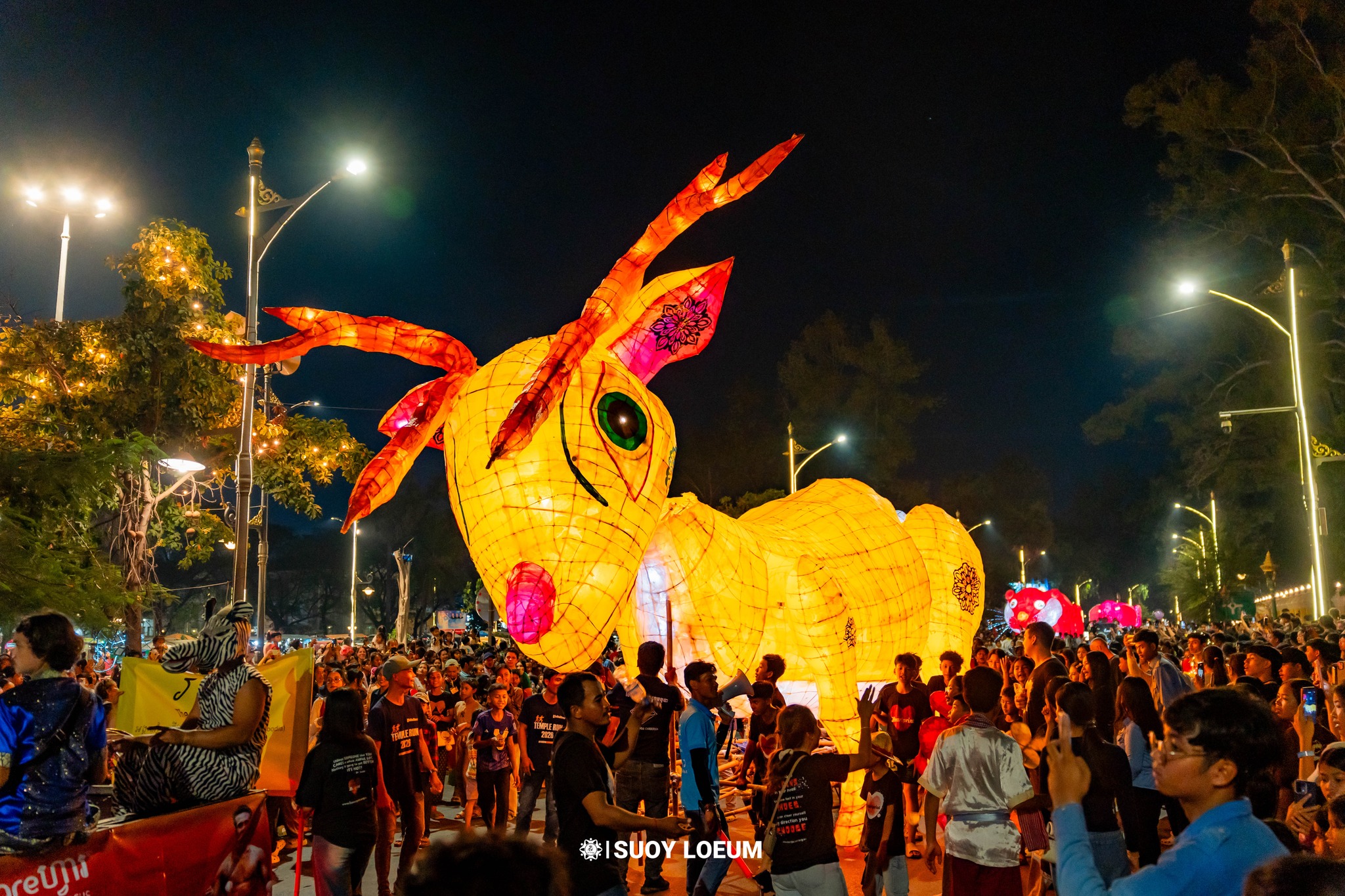
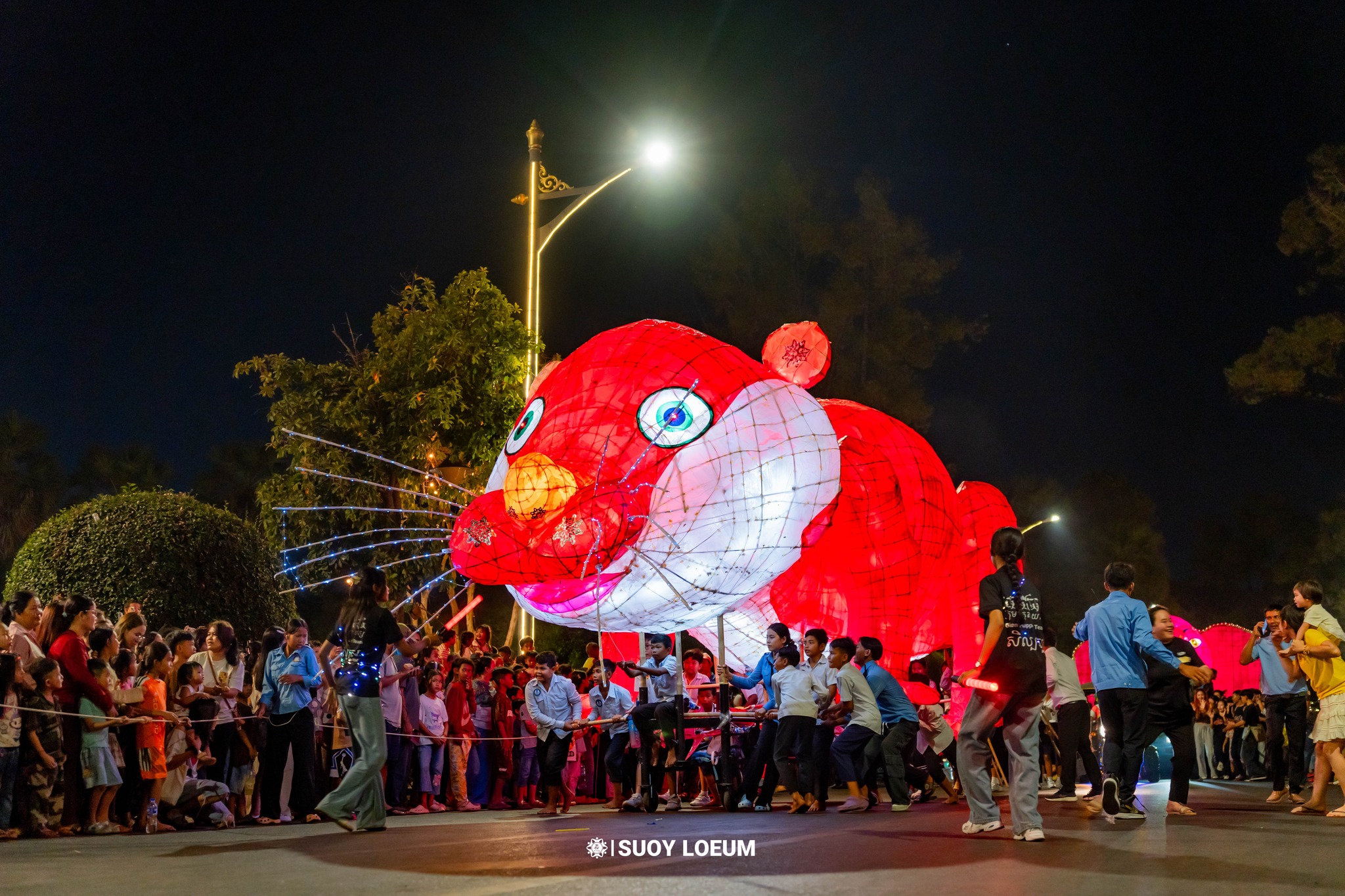
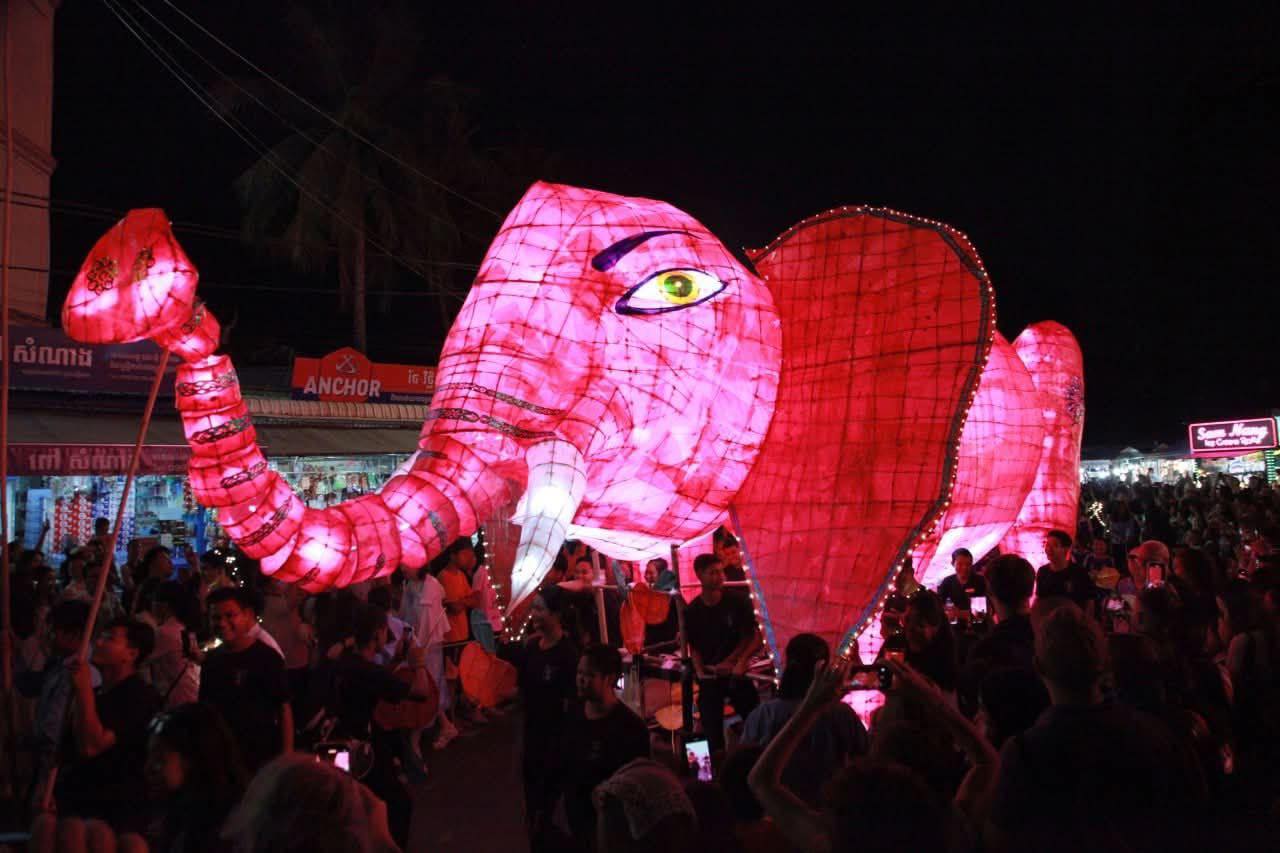
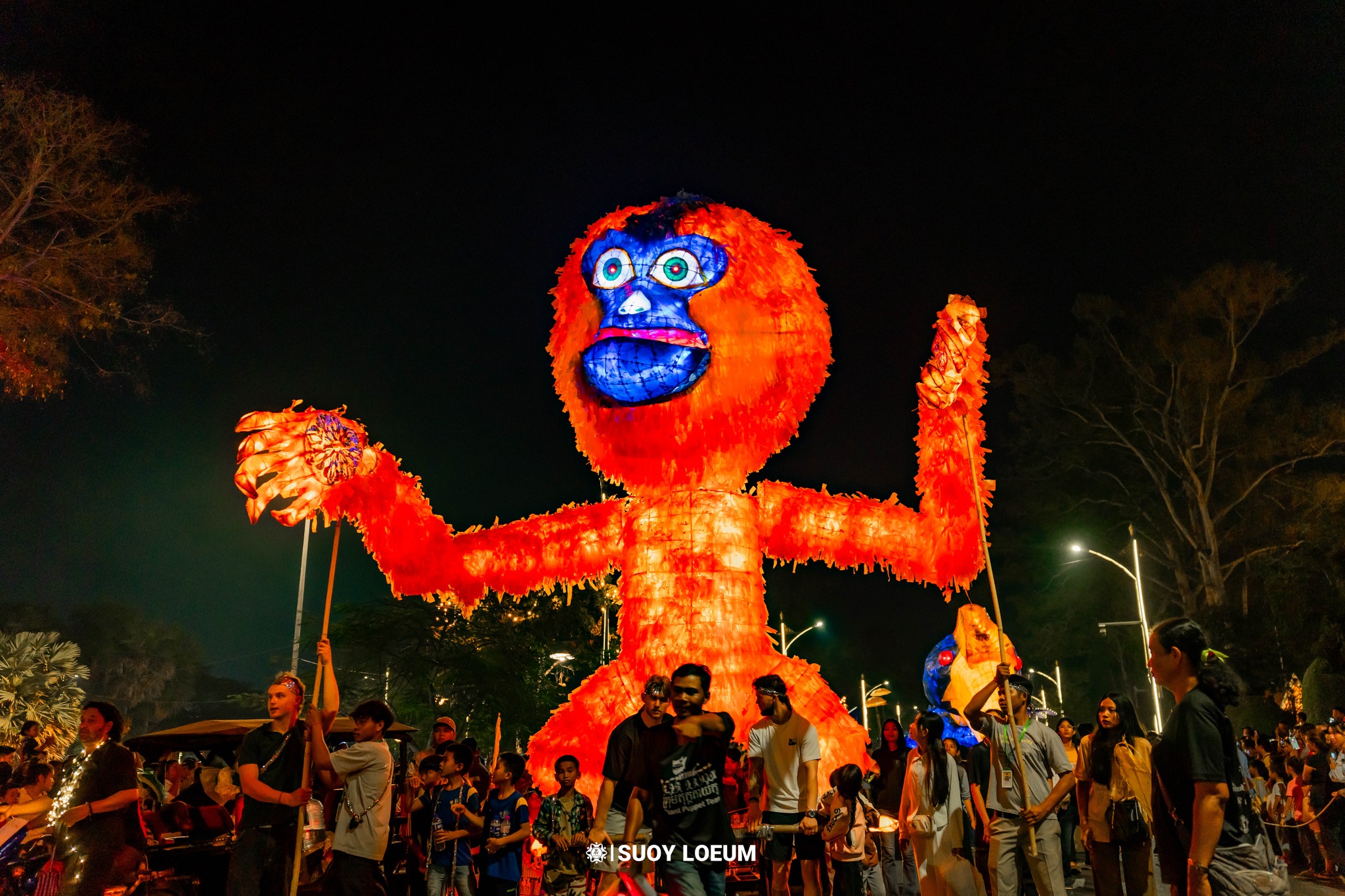
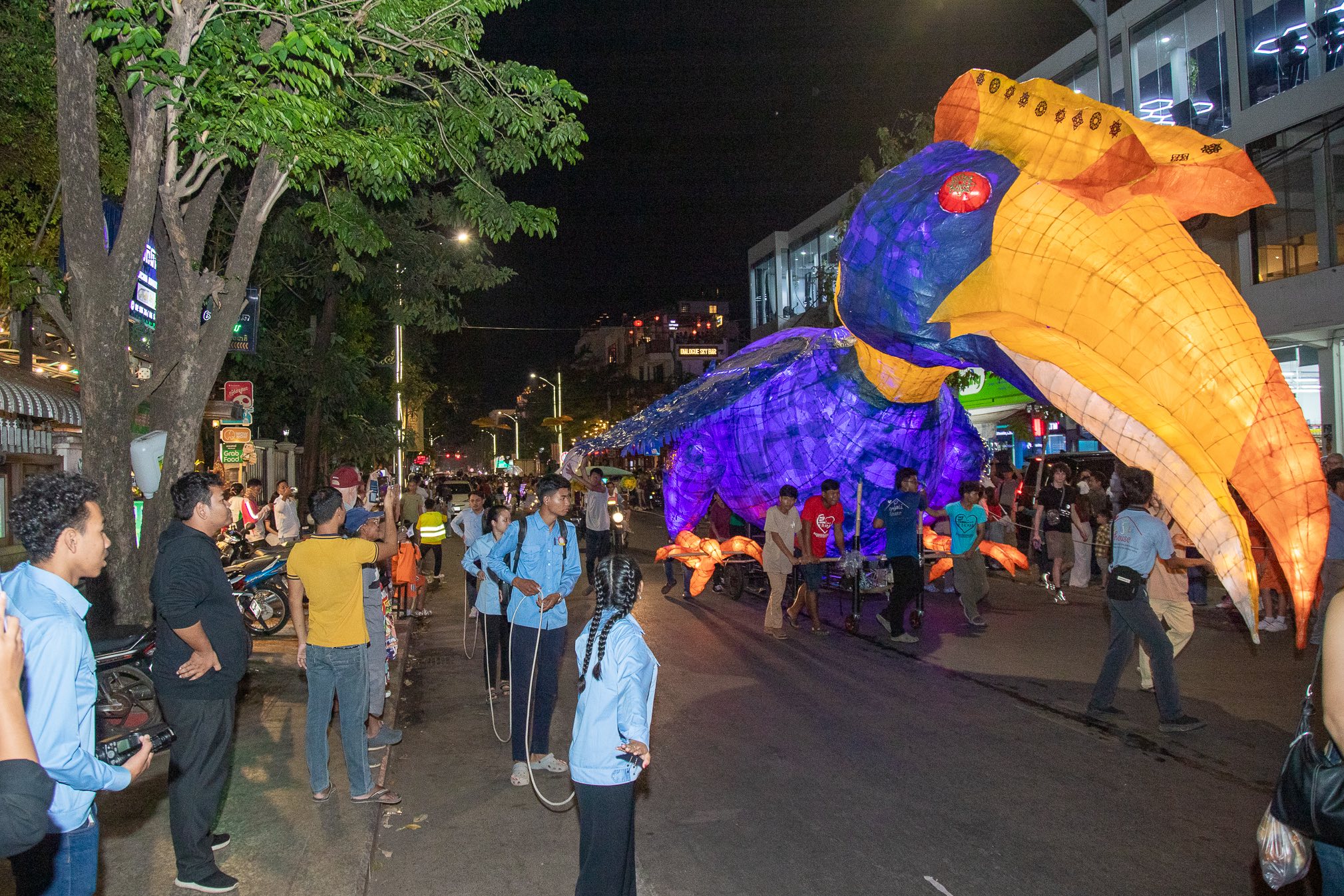
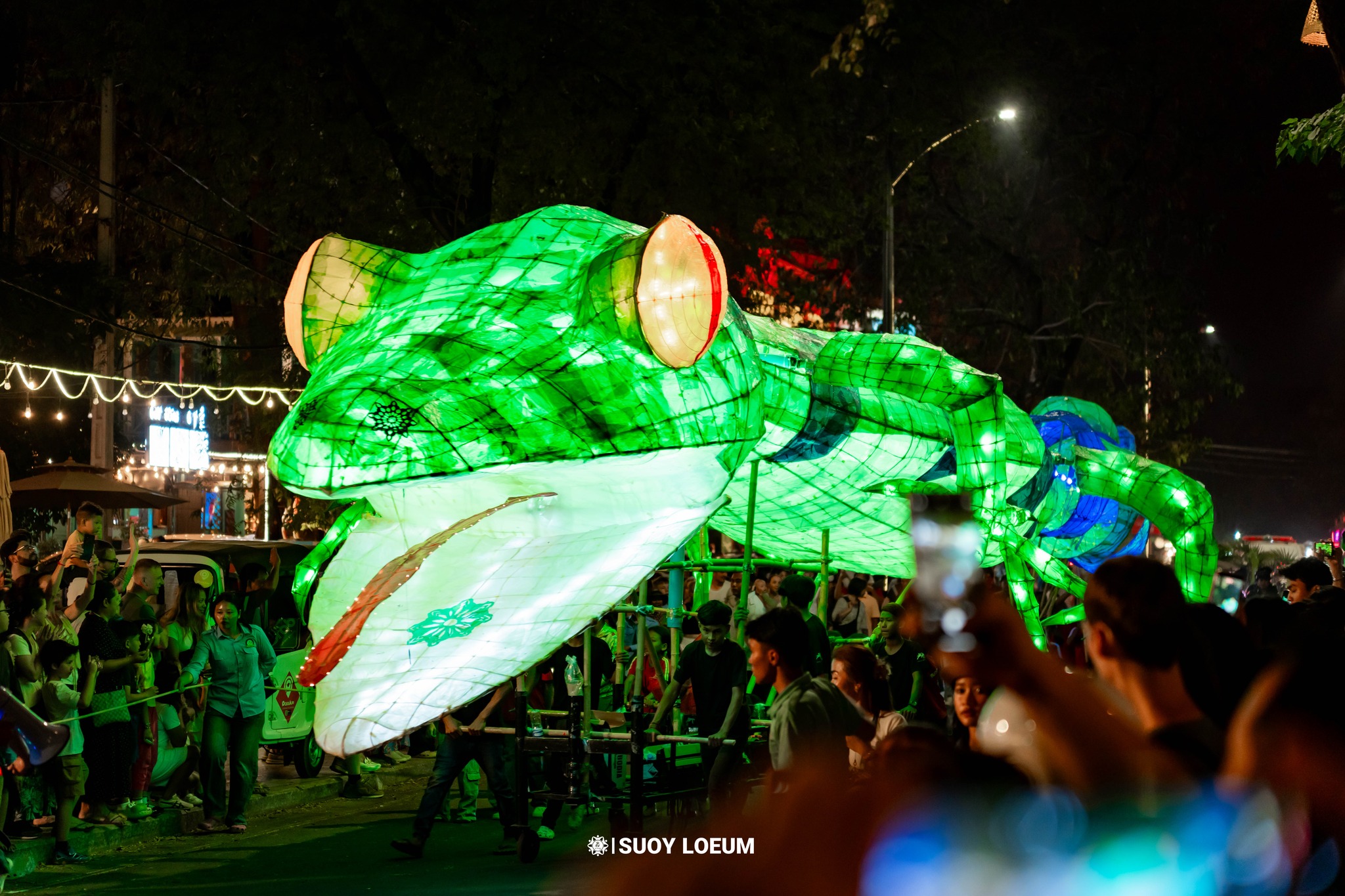
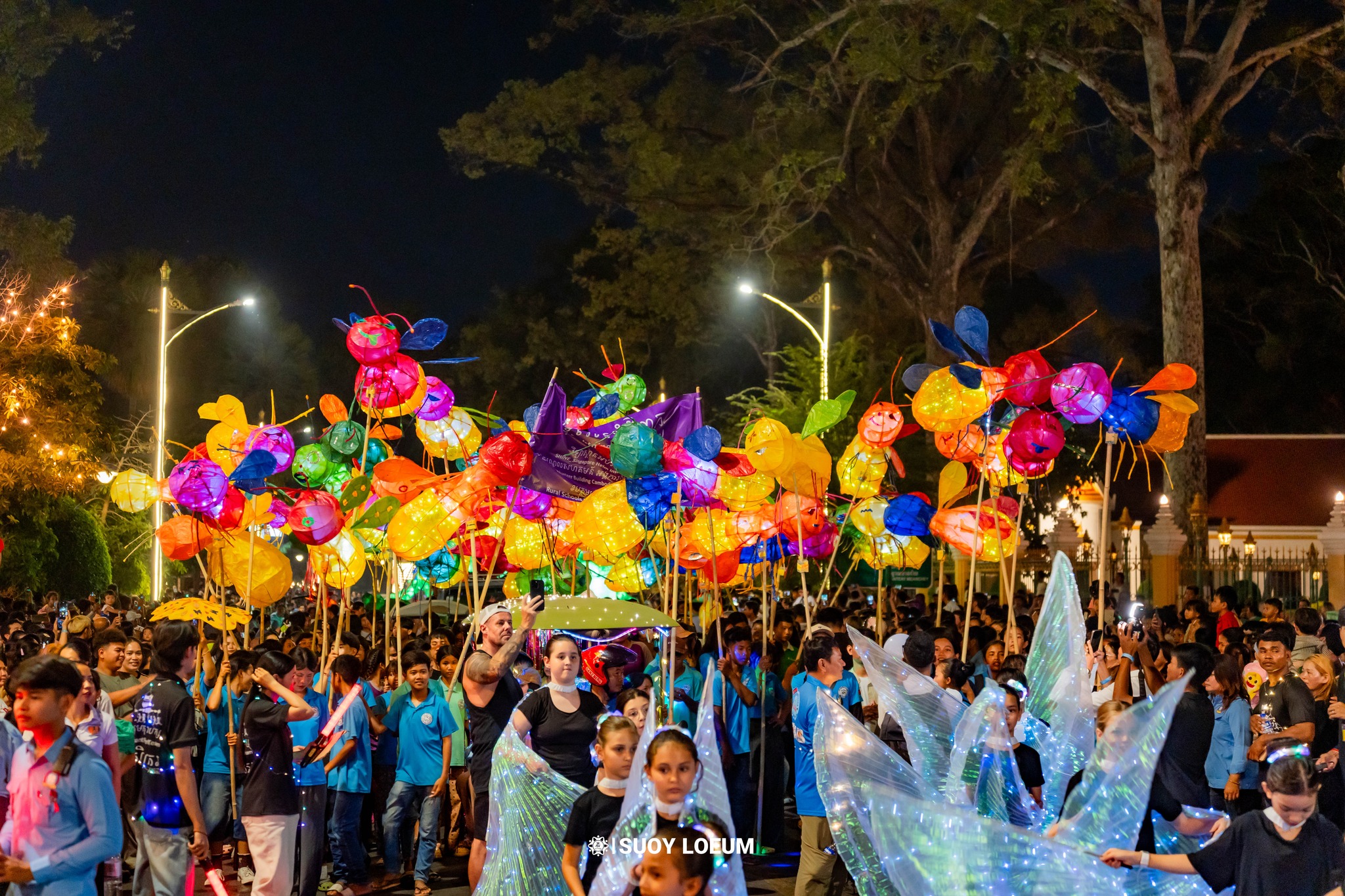
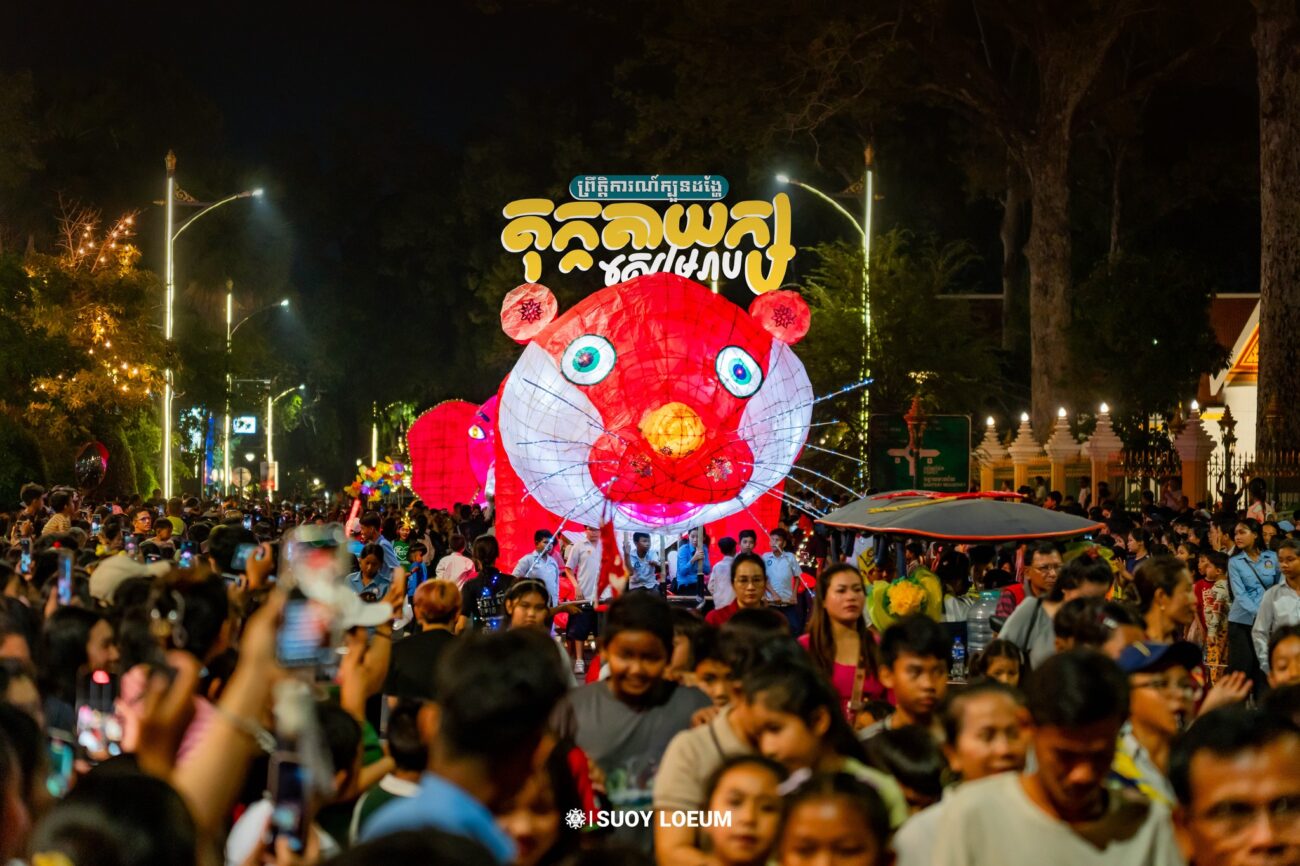
This year’s spectacle will feature nine magnificent giant puppets, each representing a remarkable creature found in Cambodia’s natural world. The larger-than-life creations will glide through the streets, glowing under the evening lights and animated by the children who helped build them. Among the stars of the parade are:
A graceful peace dove
The shy hog deer
The rare hairy-nosed otter
The majestic Asian elephant
A playful gibbon
The striking great hornbill
The tiny but fascinating bent-toed gecko
And a magical cluster of sparkling fireflies
Each puppet tells a story about Cambodia’s biodiversity, reminding audiences of the importance of protecting the country’s unique wildlife and natural habitats.
When the Streets Come Alive
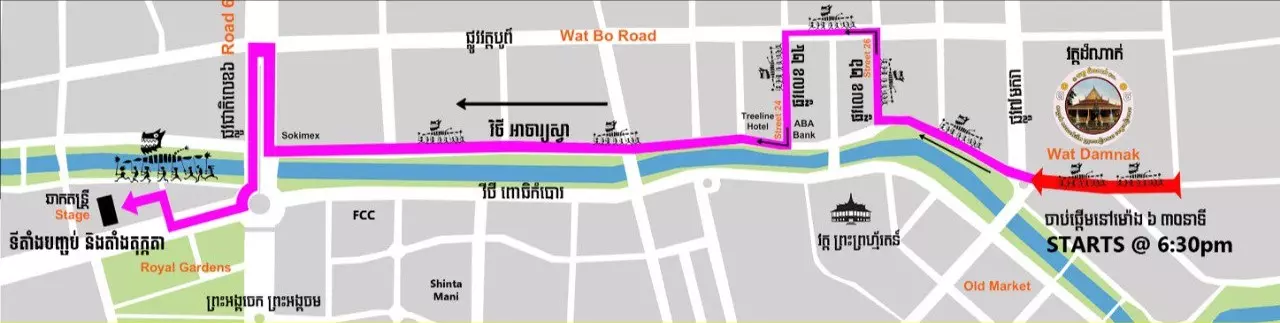
The parade begins at 6:00 PM, just as dusk settles over the city. Starting from Wat Damnak, the lively procession travels along the Siem Reap riverside, moving through Achar Sva Road before concluding at the beautiful Royal Gardens.
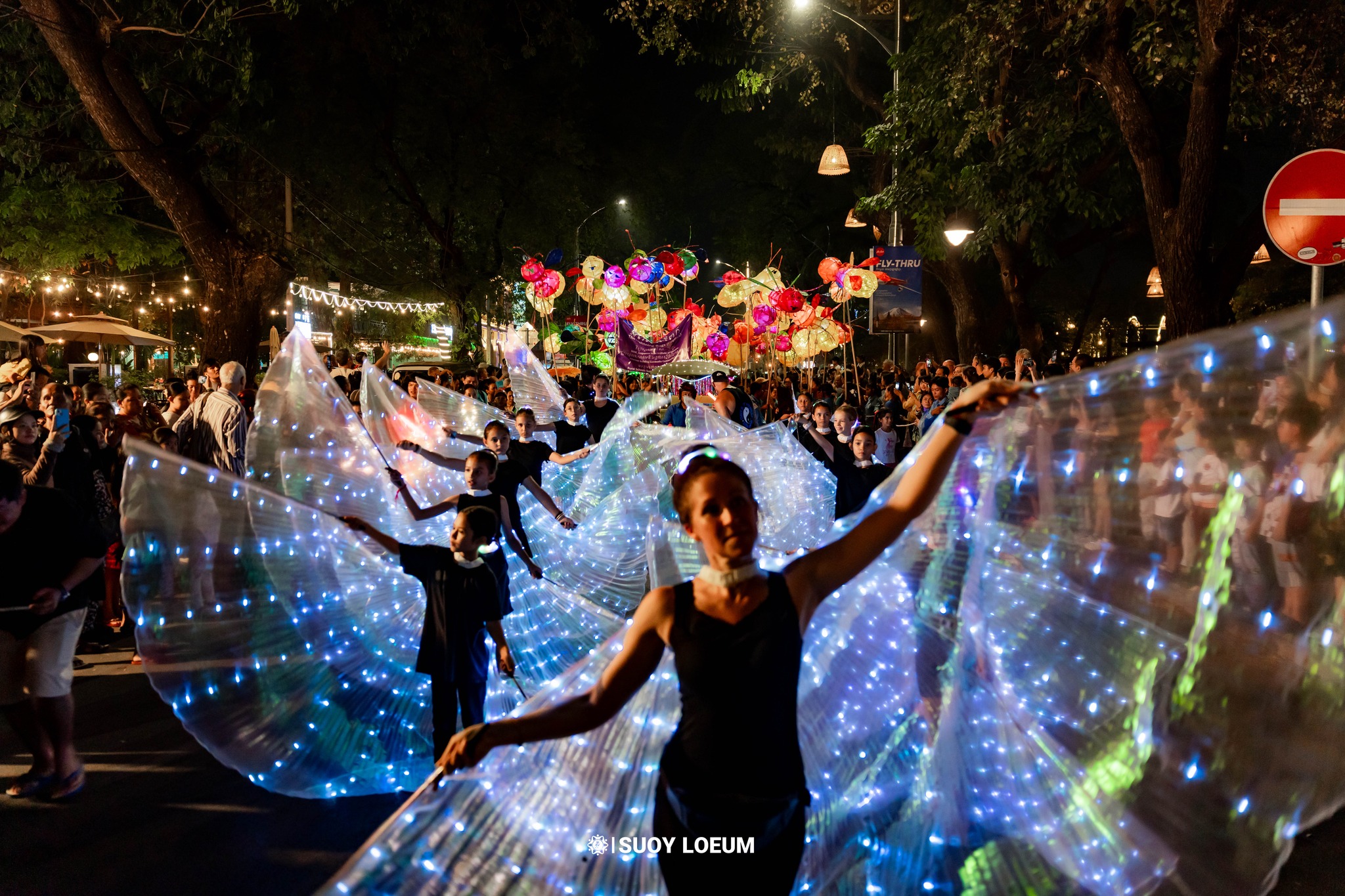
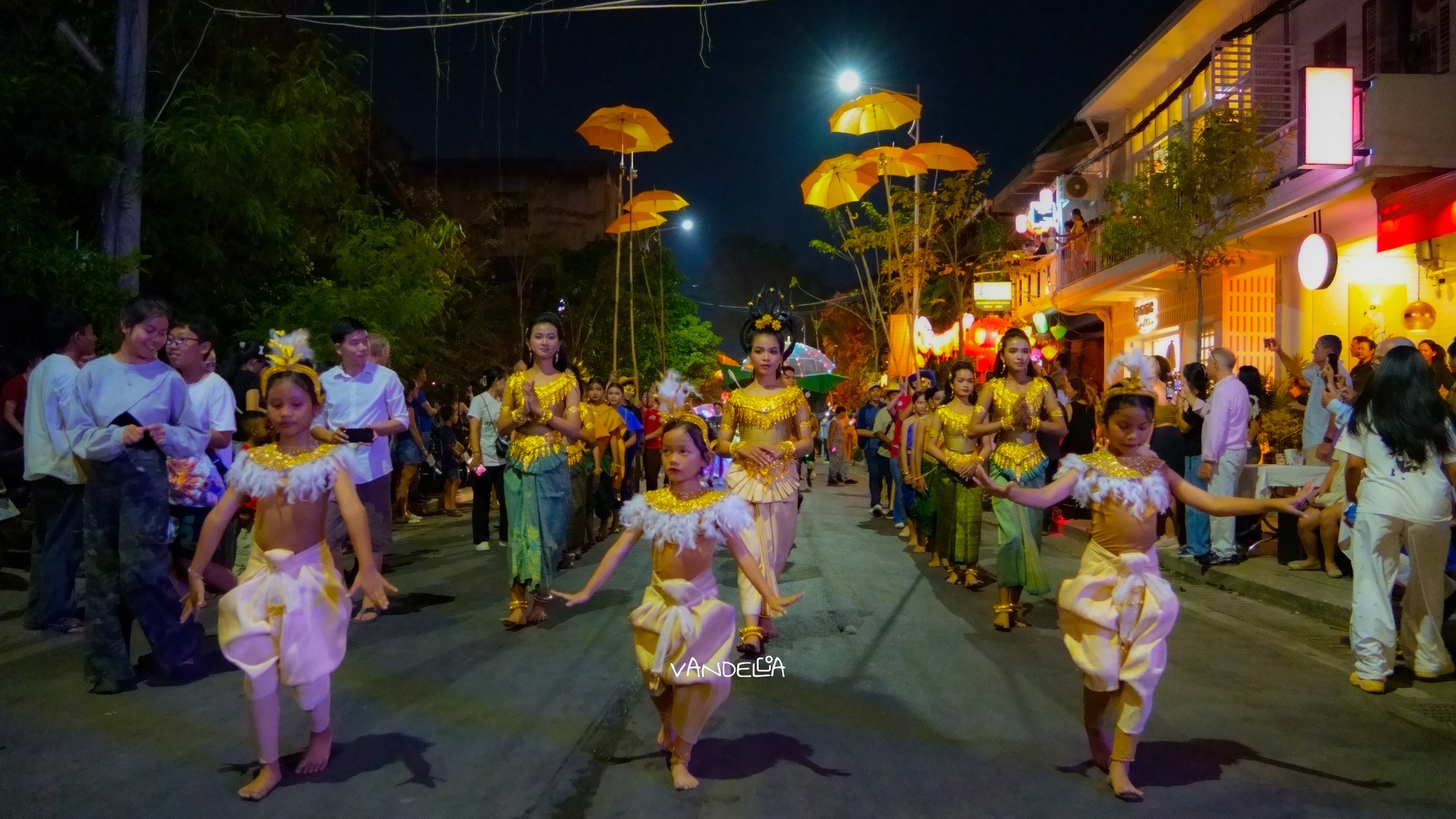
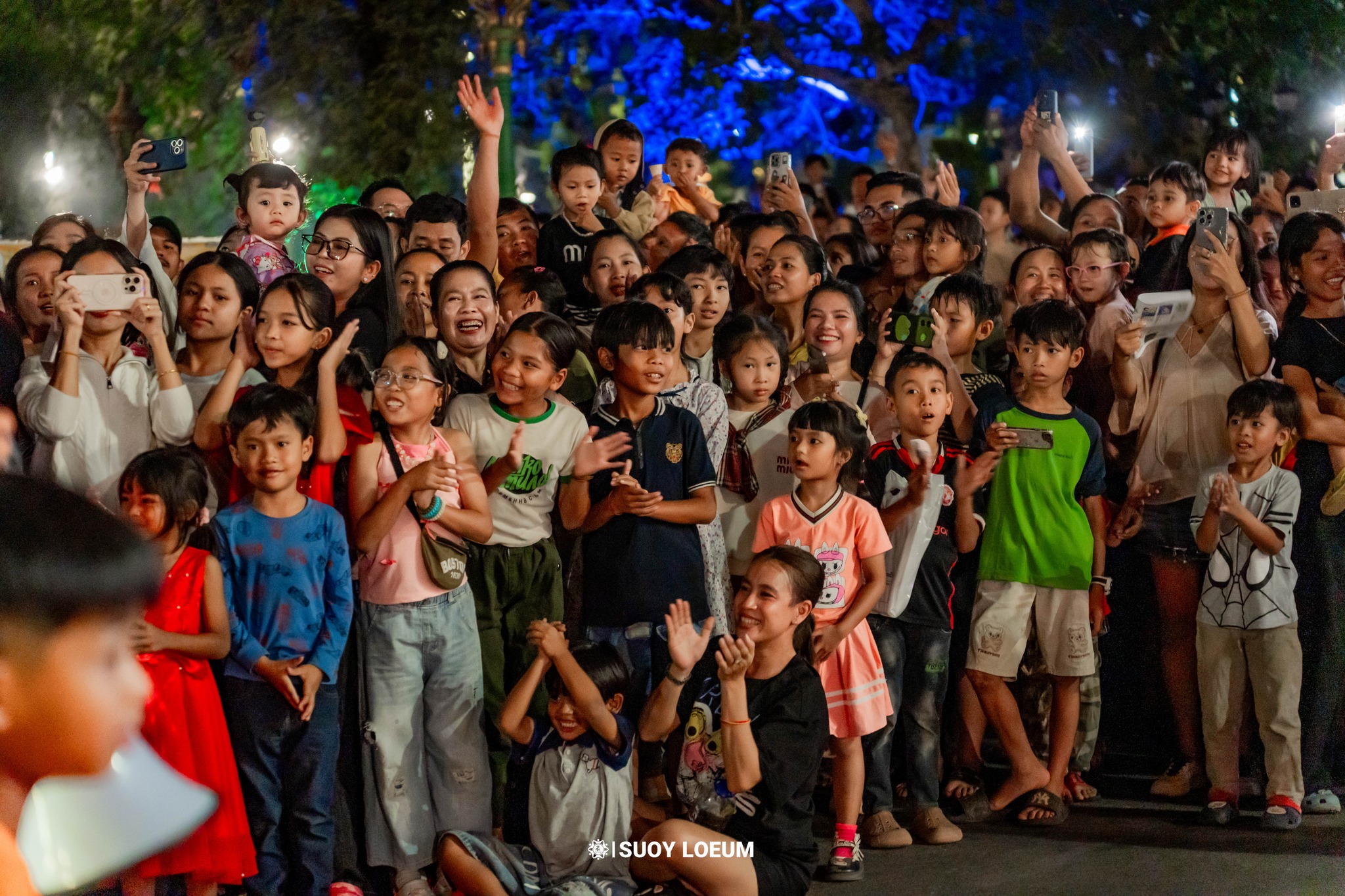
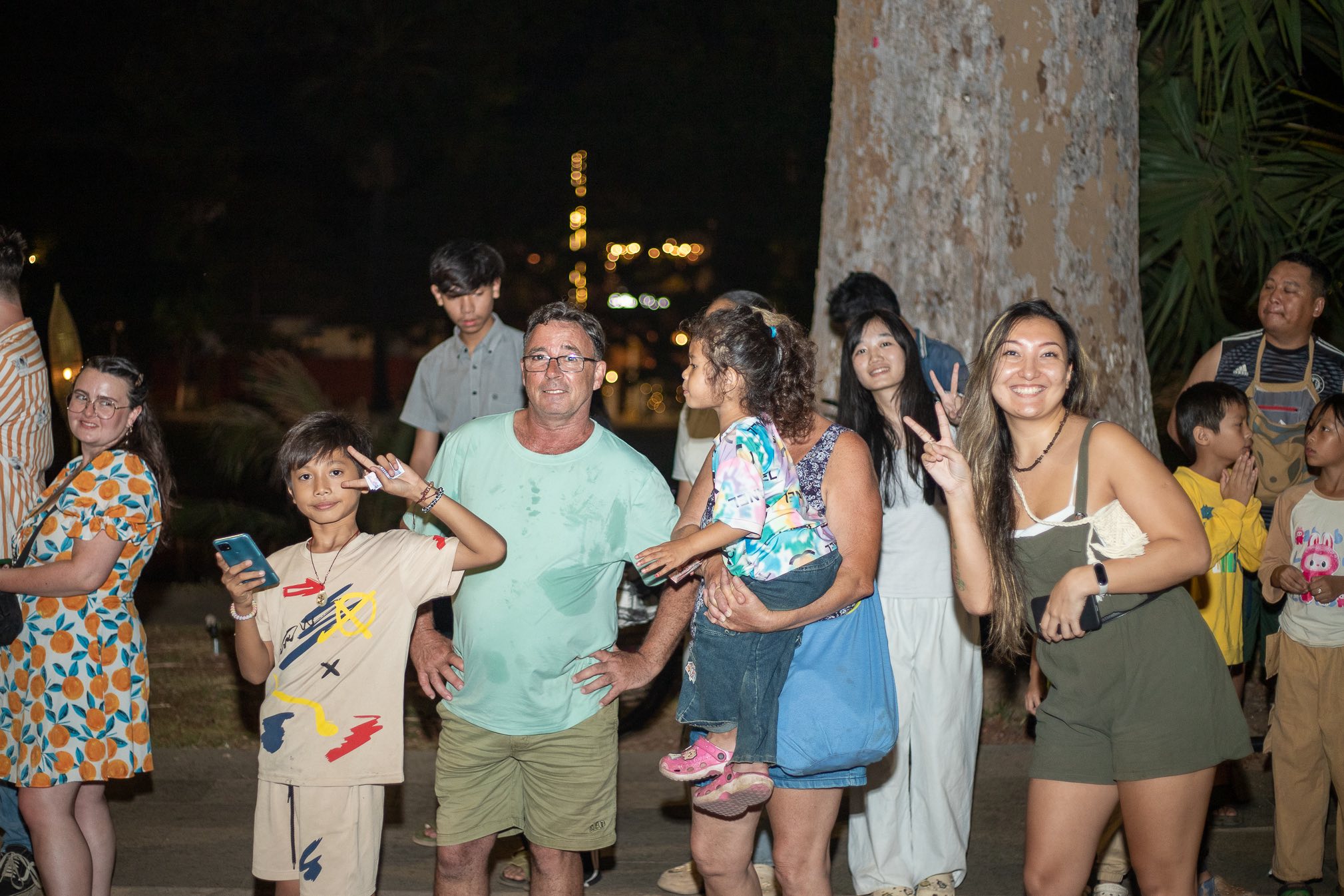
Along the route, the atmosphere becomes electric. Street performers dance beside the towering puppets while musicians play rhythmic beats that echo through the riverside. Families line the streets, cameras flash, and children laugh as the colorful figures sway and glide through the crowd.
The nighttime setting makes the experience even more magical, with glowing lights illuminating the puppets and turning the parade into a moving dreamscape.
The Biggest Puppet Show Created by Children in Southeast Asia
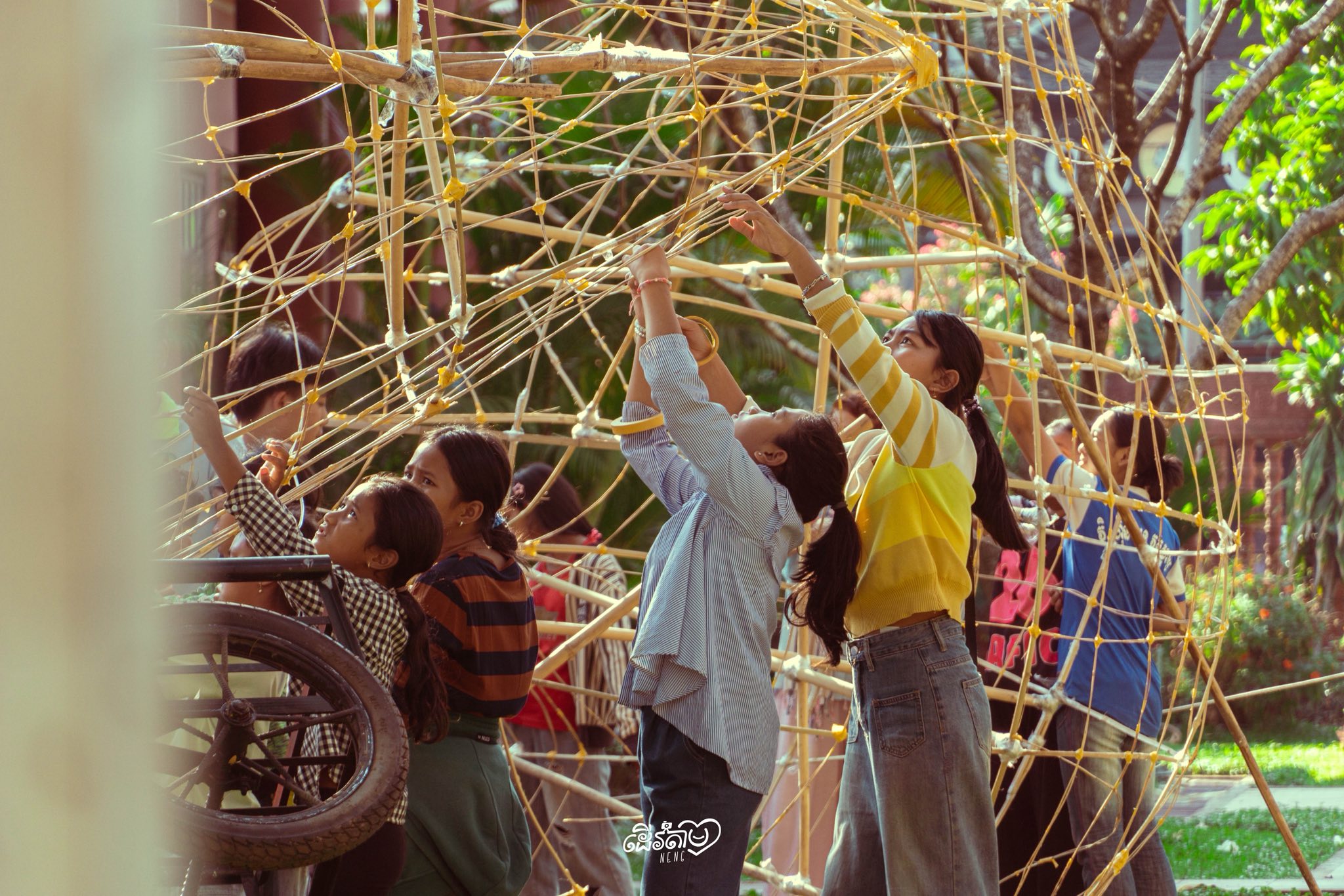
One of the most remarkable aspects of the Giant Puppet Parade is that the stars behind the show are children. More than 600 children take part in the event each year, making it the largest puppet performance created by children in Southeast Asia. From designing the puppets to performing in the parade, young participants play a central role in bringing the event to life.
The initiative not only attracts tourists but also promotes arts, culture, social and environmental awareness, and nature conservation. Through their involvement, children also develop teamwork skills, creativity, and a deeper appreciation for their cultural and natural surroundings.
The Giant Puppet Parade comes from the Giant Puppet Project, a community arts initiative launched in 2007 that brings together students, artists, performers, and volunteers to create large, colorful puppets for the annual parade. The project is closely connected to Phare Ponleu Selpak, a Cambodian non-profit founded in 1994 by refugees. Based in Battambang, the organization provides free education in arts such as visual arts, music, theatre, and circus to children from disadvantaged backgrounds. Through workshops and guidance from Phare artists, children help design and build the giant puppets, turning simple materials into imaginative creations while gaining confidence and creative skills.
A Celebration of Culture, Creativity, and Nature
The Giant Puppet Parade is more than just a performance—it is a celebration of community spirit, artistic imagination, and Cambodia’s rich natural heritage. As giant animals dance through the streets and hundreds of children proudly guide their creations under the night sky, the parade reminds everyone of the beauty of creativity and the importance of protecting the world around us.
If you happen to be in Siem Reap in February, don’t miss the chance to experience this extraordinary night when giant puppets roam the streets and the city becomes a stage for dreams, art, and nature.
Media credit: Giant Puppet Project, Suoy Loeum, Neng, Vandela, UYFC Siem Reap, Kampucheers and others referenced in file names.